Inaka
What is “Inaka”?
The word in Japanese is made up of two kanji characters: 田舎. The first one represents rice paddy (the beauty of a pictogram - you can see it, can’t you?) and the second a cottage or a hut, generally referring to very humble dwelling. Inaka is generally translated in English as rural area, countryside or “the sticks”. If you call someone いなか者 (inaka-mono), you are calling them a country bumpkin or a hillbilly – not a compliment, for sure.
But what inaka really refers to is a “hometown” where you grew up, and where your parents and relatives live. There is a sense of nostalgia when people use that term to refer to their “home”. Or at least it used to mean that when I was young.
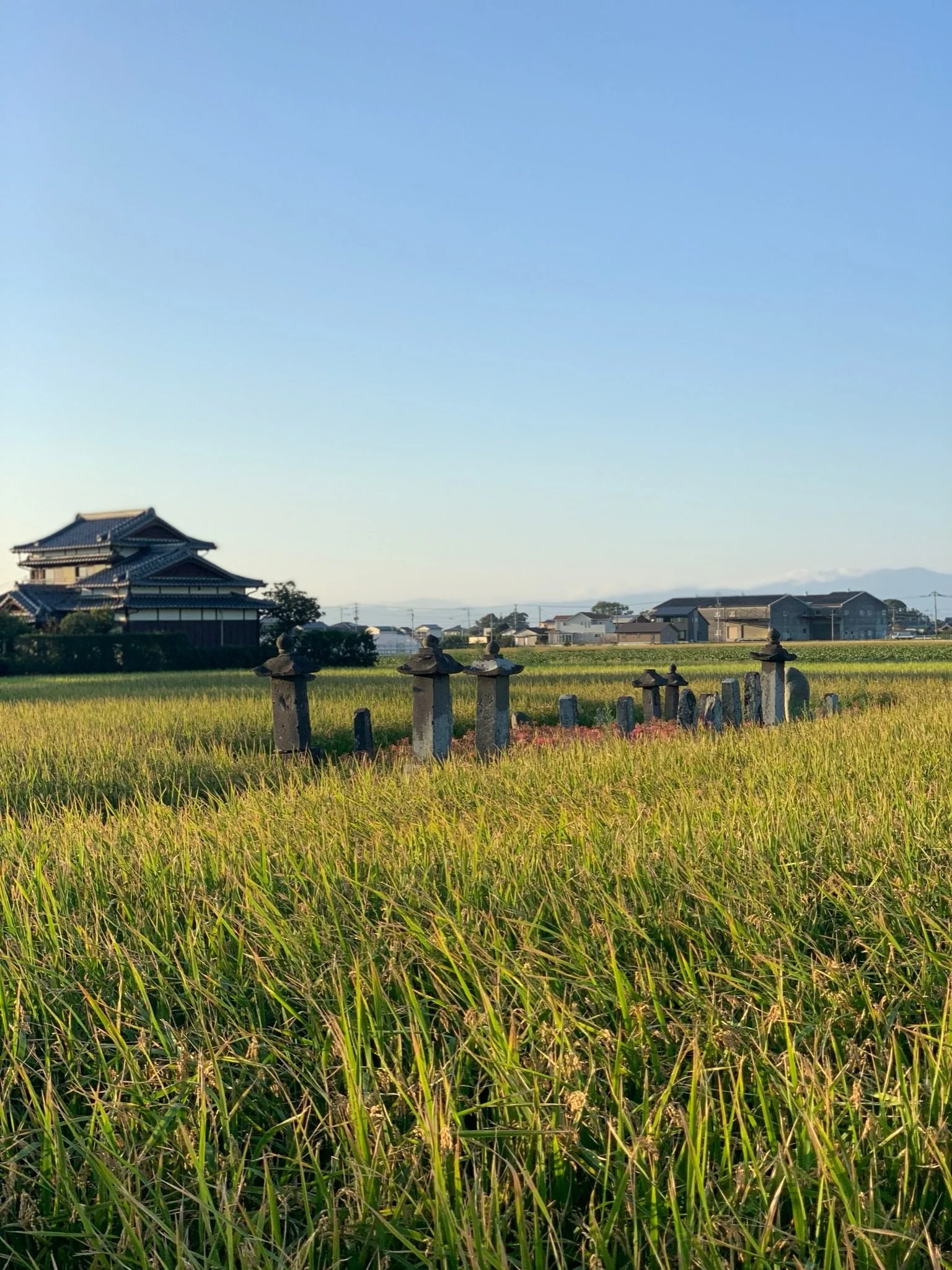
Photo credit: Samantha Armacost
Hogen - the Dialect of the Region
Back then, inaka was usually VERY backward culturally and in its sophistication, compared to big cities like Tokyo or Osaka. For being such a small country - barely the equivalent of California in size - Japan has so many dialects called hogen (方言): so distinct are the differences in each lexicon that the northerners cannot comprehend what the southerners are saying.
It was due in part that the country is so mountainous and only about a third of its land is habitable. Until the last century or two, there was no social mobility for hundreds (or perhaps thousands, in some areas) of years. Through its long history, unique dialects developed in each region by centuries of geographic isolation and distinct cultural development.
Naturally, your family in inaka speak with the region’s distinct dialect. With the advent of radio and eventually television in the 20th century, people throughout the country could hear and learn the “standard” Japanese. But most of those who stay in inaka still never bother to “correct” their dialect. Only those who move “up” to Tokyo would make an effort to shed (or hide) their accent and hogen which easily reveal where they were from. Both my parents quickly shed their hogen and adopted the standard Japanese as soon as they moved to Tokyo that they never reverted even when they went back home.
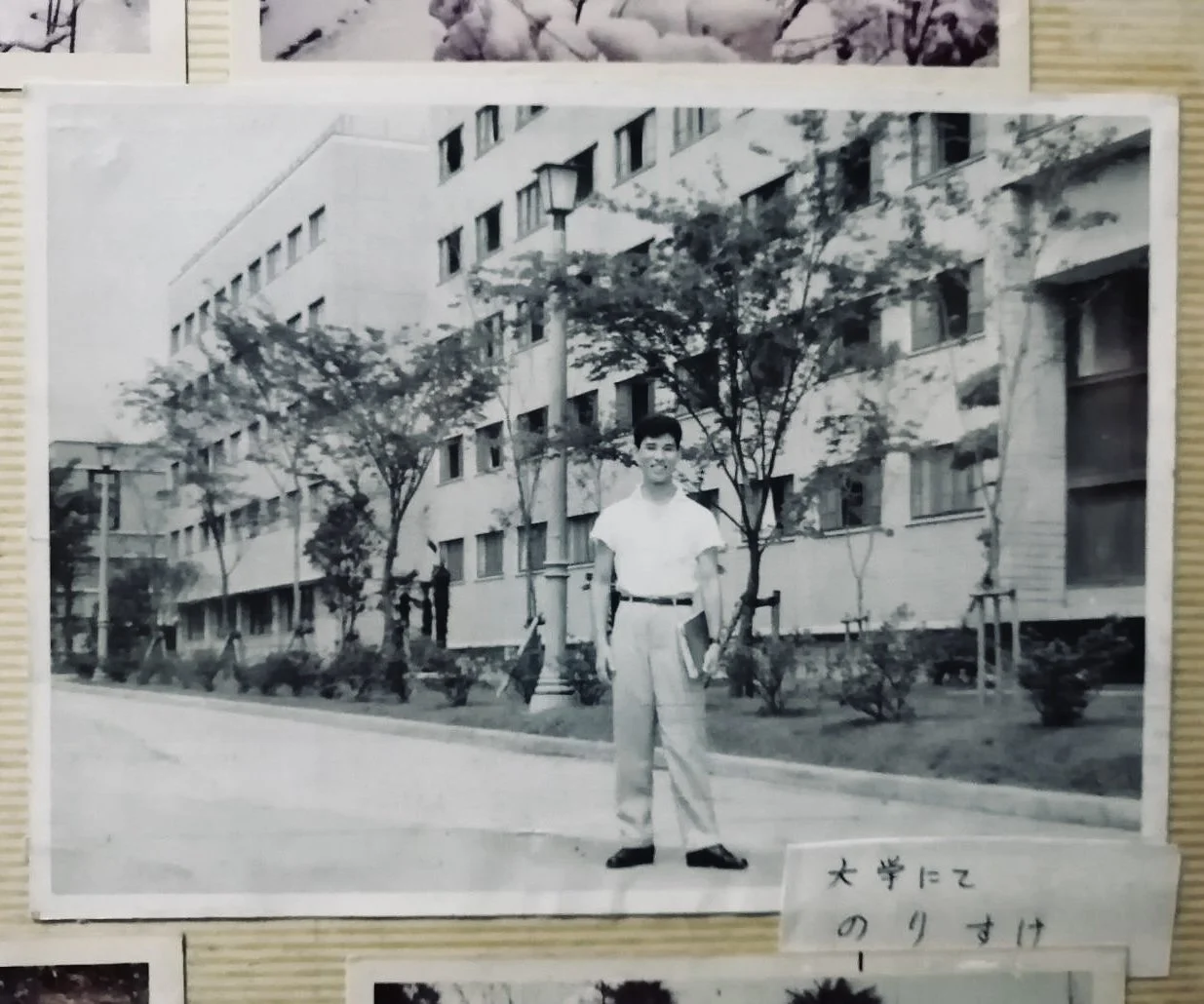
My father as a university student in Tokyo
Born in Taiwan, my father was raised there during the time the Japanese occupied it, and moved to Japan with his family to settle on one of the four main islands of Japan called Kyushu in the far south. Apparently, at the young age of about 13 or 14, he left home and worked in Japan’s telecommunication company in Tokyo. He supported himself and got himself through a private university without any help from his family (so he said).
By the time he was my father, I detected no trace of the southern hogen. He made us kids call him “Papa” - not the traditional oto-san. My cousins would tell me years later: he was known in the family as a modern man of Tokyo.
Japan’s Super-Growth in the 1960s
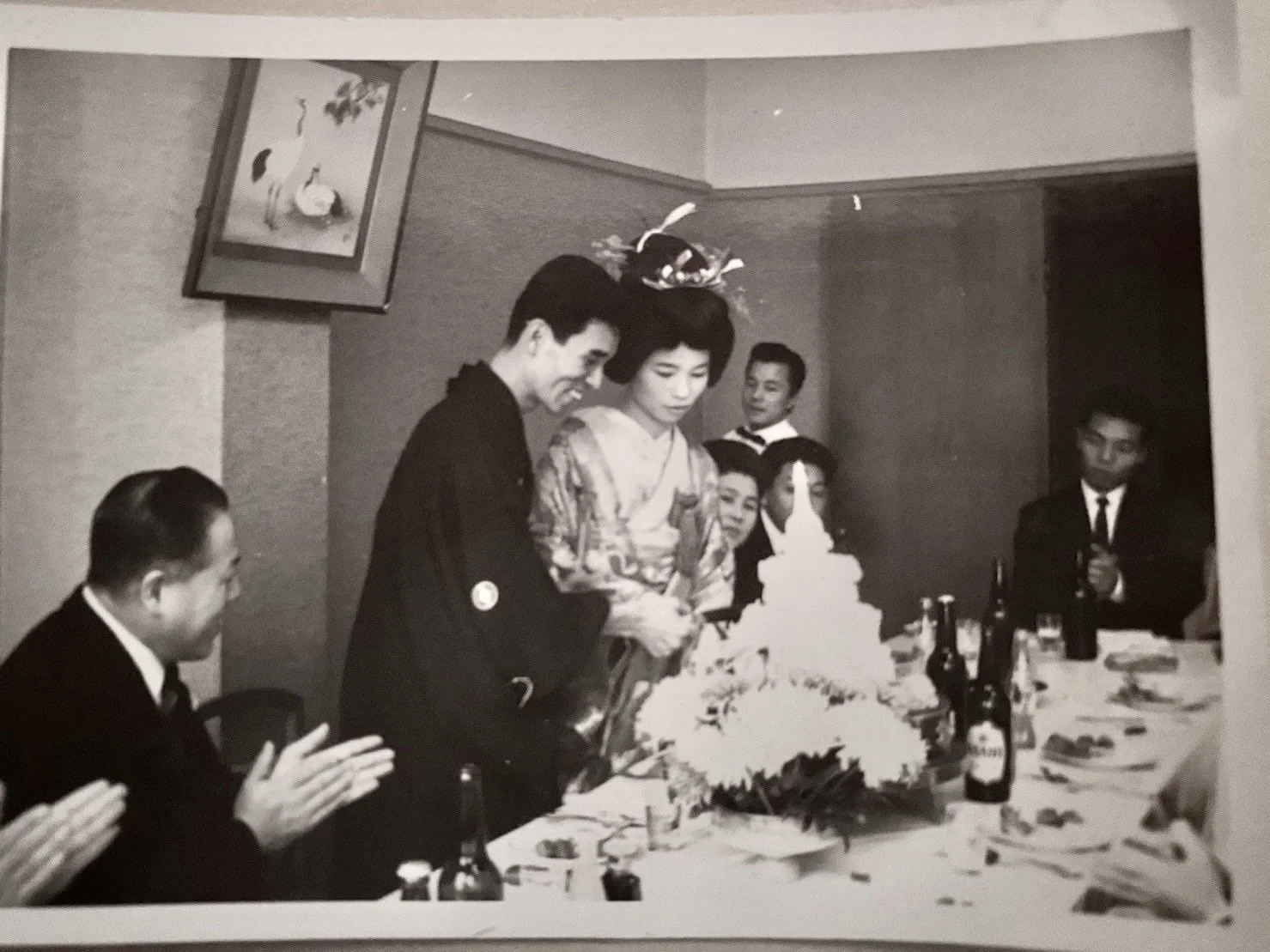
My parents’ “modern” wedding with a cake
My father and mother were born in 1934 and 1940 respectively - the generation who experienced WWII as young children and grew up in the midst of not just the rebuilding of the physical country from the rubbles of the war, but of the super-modernization and phenomenal growth of the Japanese economy in the 60s through the economic “Bubble” of the 80s.
To think that I was born not even 20 years after Japan experienced such devastating defeat in the war - with TWO atomic bombs dropped farther south in Hiroshima and Nagasaki - I can’t even fathom HOW they were able to rebuild so quickly.
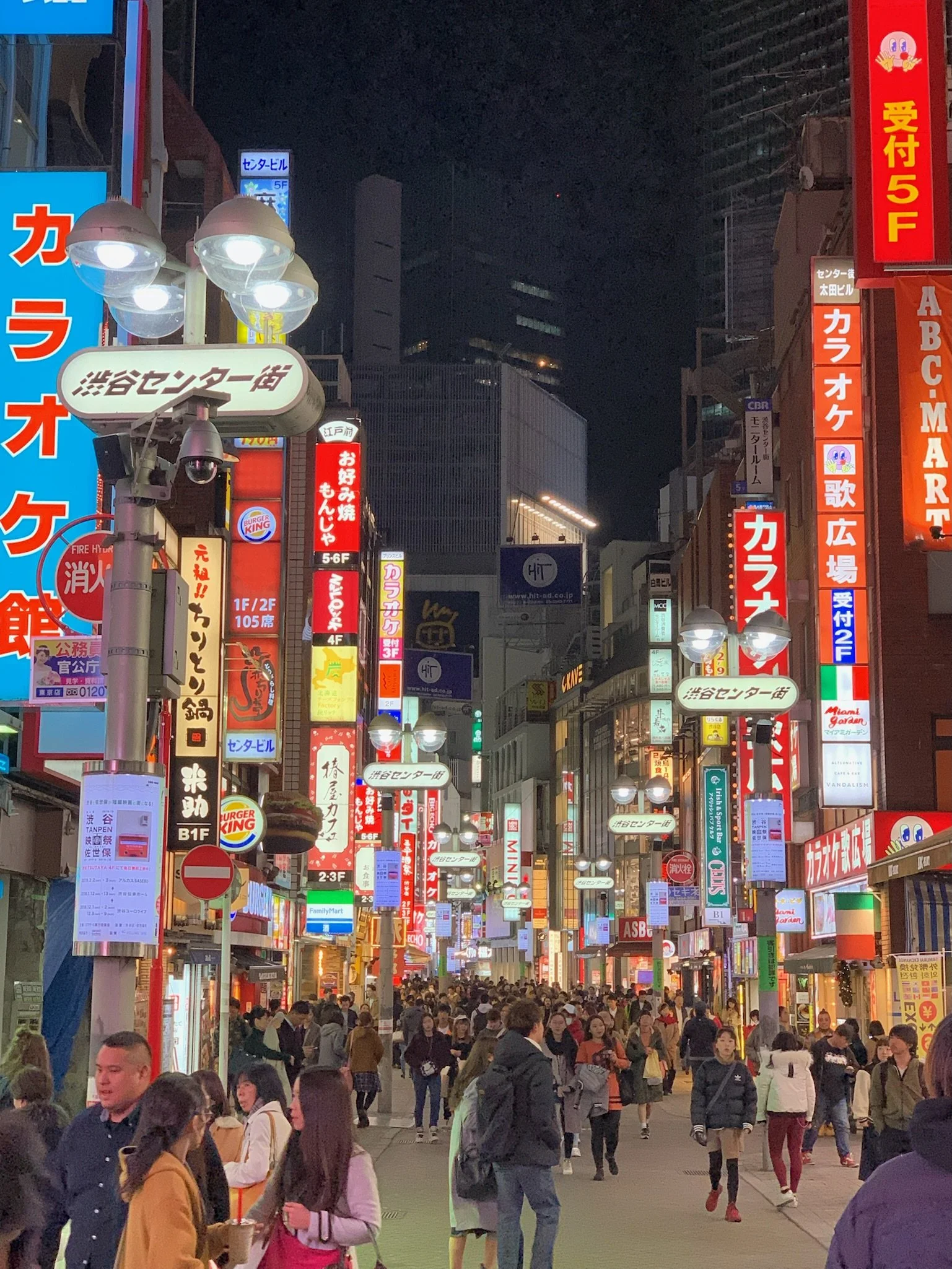
Photo credit: Samantha Armacost
A case in point: Japan hosted its first Olympics in 1964, the same year the inaugural bullet train called Shinkansen (新幹線) started running between Tokyo and Osaka, covering the distance of 343 miles (553 km) in a little over two hours. I might also add that it was astonishing to learn that in over 60 years of its operations, there have been ZERO passenger fatalities from derailments or collisions. And how long has California been talking about building a speed rail… (ok, so I’m gloating a bit)?
To ride this wave of immense upward mobility, my mother and her sister - being the last two of NINE children - also moved “up” (上京する) to Tokyo as soon as they finished high school. Instead of going to a university like their brothers, they went to Tokyo to get a job. There were two other brothers who were already working in Tokyo. The eldest four (one died young) remained near their hometown. Perhaps by the time the youngest four were old enough, they were encouraged to seek greater opportunities in a fast growing city of Tokyo.
Translation, Please?!
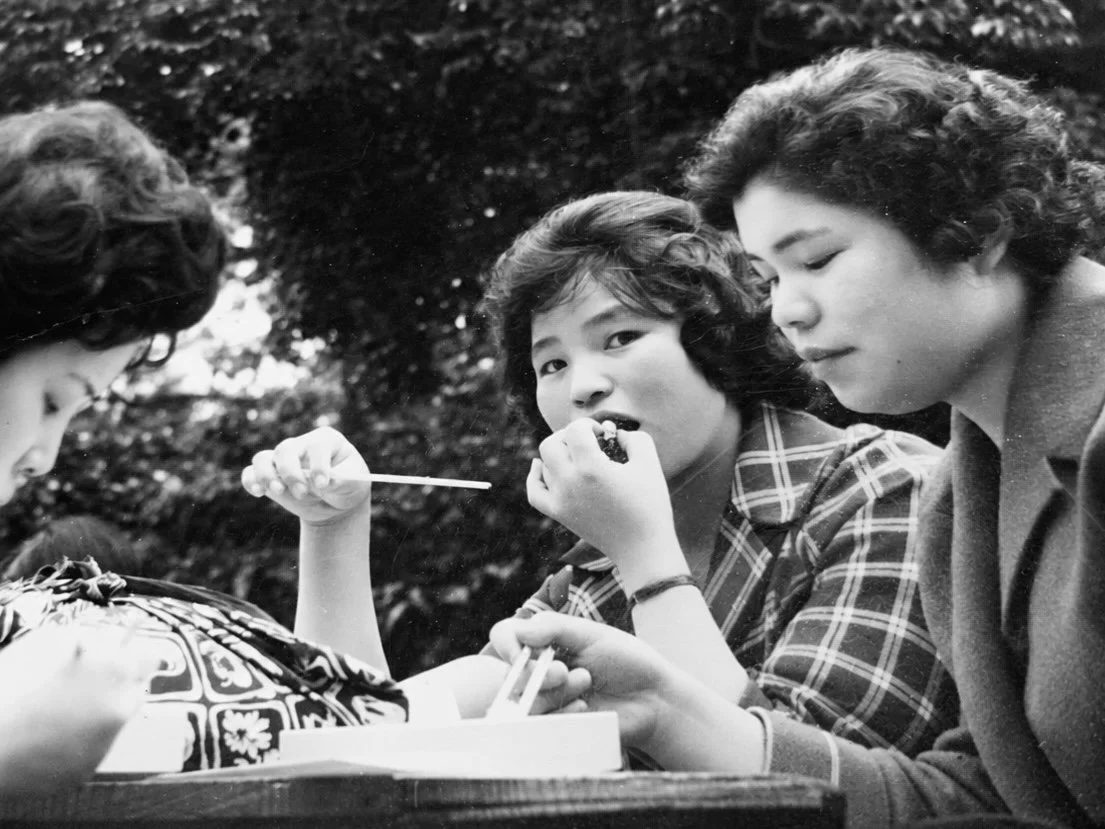
My mother grew up in a rural community outside of Sendai (northern Japan), and she always called it her “inaka”, never referring to the name of the town. Since I was born in Tokyo, I never got a place to call inaka of my own, which made me sad as I grew older. At least, every summer we went “back” to my mother’s inaka where the only surviving grandparent, my grandfather, lived.
When you went back to inaka, that’s when you heard a completely different language. The older they were, the stronger their hogen and their accent. I definitely needed my mother to “translate” what my grandfather said. And one distinct memory stands out which involves my auntie who was married to the second eldest son who lived with my grandfather:
In the dialect around Sendai called “Tohoku-ben”, even women refer to themselves with a term “O-re (俺)”, generally used by men in standard Japanese to refer to themselves as “I”. It is a masculine term, as opposed to the feminine or gender-neutral “watashi (私)”.
One summer, upon making our annual pilgrimage back to my mother’s inaka, we opened the sliding door to enter and greet the family inside. Without ceremony, my auntie came to the door wiping her wet hands on the apron, and promptly announced: “O-re otoko ni nattabe”. Literally, the words I understood were, “I (as in a man), became a man.” Roughly translated, she announced she had entered menopause!!
Safe Haven
Inaka was not just a physical place where your clan has lived for generations and where your ancestors were buried. It was a “home” to return to – to pay respects to your parents and your (often extended and numerous) relatives. Where you went to get a break from the hustle bustle of city life.
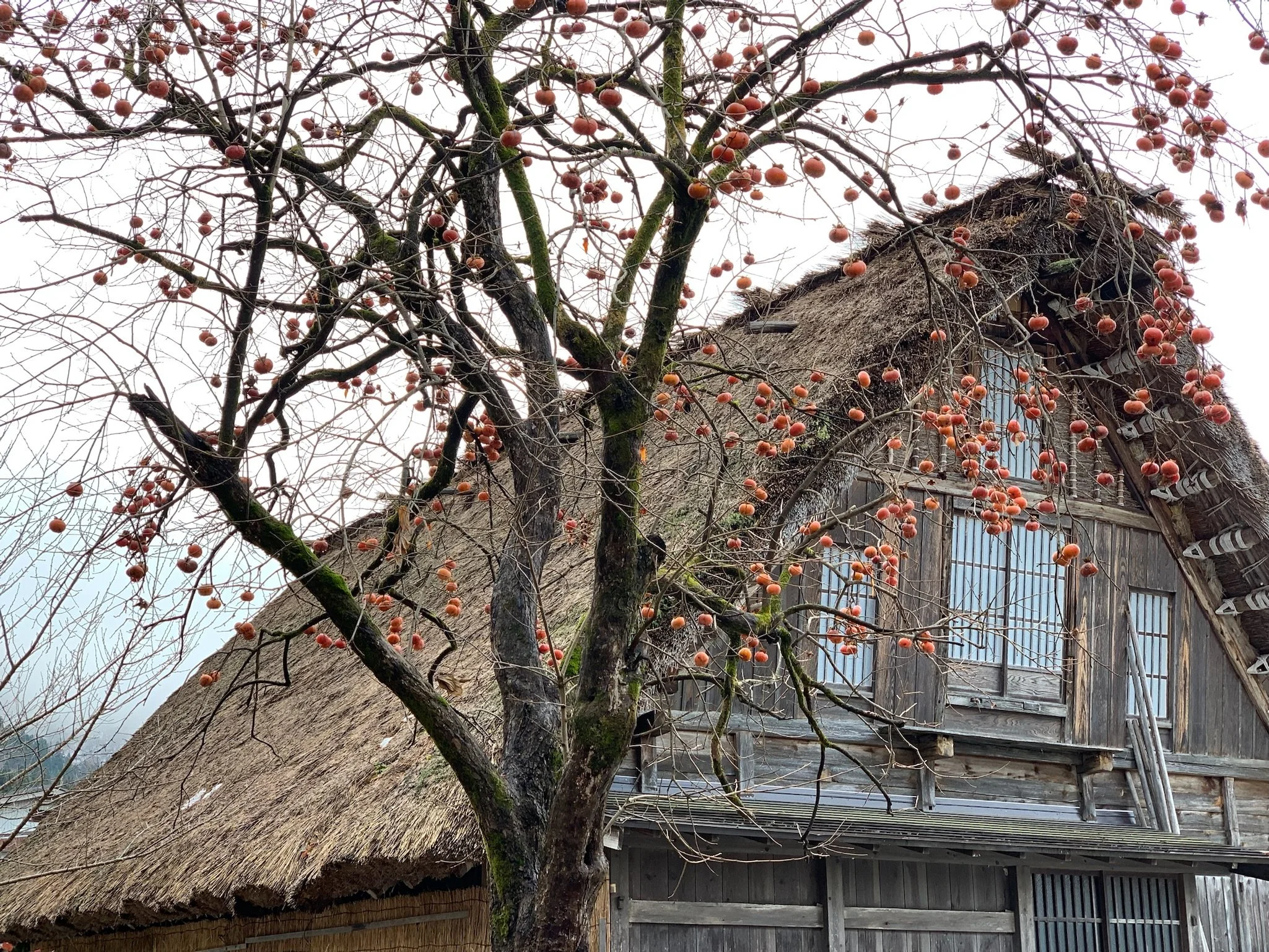
Photo credit: Samantha Armacost
Inaka preserved the family traditions and old recipes. It was a place to be replenished and nurtured, adults and children alike: adults reminisced about good ol’ days and feasted on their favorite local specialties still made the old-fashioned way. It was where city kids learned to play without toys - by chasing butterflies and catching crawfish in the canals between rice paddies. It was a safe haven most city dwellers longed to return to.
Kumano
Which brings me to a place that complicates everything I have just written…
Kumano sits at the southern tip of a peninsula south of Osaka, where steep green mountains fall straight into the Pacific. The characters are 熊野 — bear and field, but that first syllable, “kuma,” belongs to an older word too — one that means a nook or a hollow: the inside of a river's bend, the shaded fold where two mountains meet, the part of a landscape you cannot see into from the outside. Some believe that is the “kuma” in Kumano, and that the bears arrived later, when someone had to choose a character to write it with. A hidden place, in other words. In Japan's oldest stories, Kumano is where the goddess who gave birth to the islands themselves was laid to rest. An inaka is where your ancestors are buried. Kumano is where the mother of the whole country is buried.
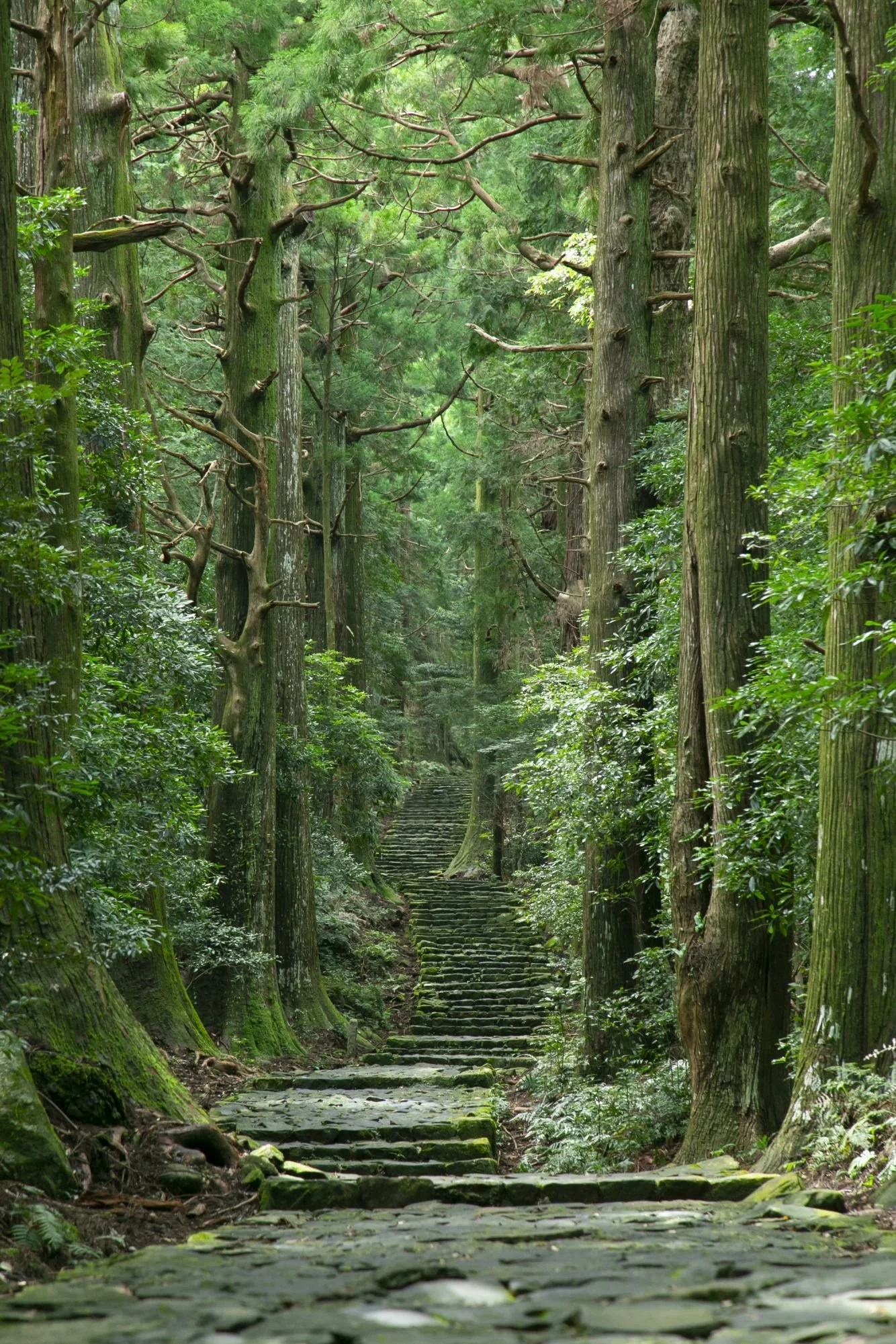
Photo credit: Kumano Adventures
For centuries, people have walked there. Retired emperors made the journey from Kyoto again and again, alongside everyone else, from aristocrats to commoners alike. They came in such numbers that the pilgrims strung along the mountain roads were said to look like a line of ants, earning the pilgrimage its own expression: 蟻の熊野詣, the ants' pilgrimage. What made Kumano different from Japan's other sacred mountains was who it let in. Women were turned away almost everywhere else. So were the sick, and anyone considered unclean. Kumano asked no questions of a person who arrived on foot.
I find that quietly astonishing. Here was a homeland available to people who had no claim on it by birth — no family plot, no relatives waiting at the door. You walked until you arrived, and the place received you. And it still does. Kumano is one of the warmest, most welcoming places in Japan. After a thousand years of strangers coming down out of those mountains tired and hungry, perhaps that makes perfect sense.
More Than Just Countryside
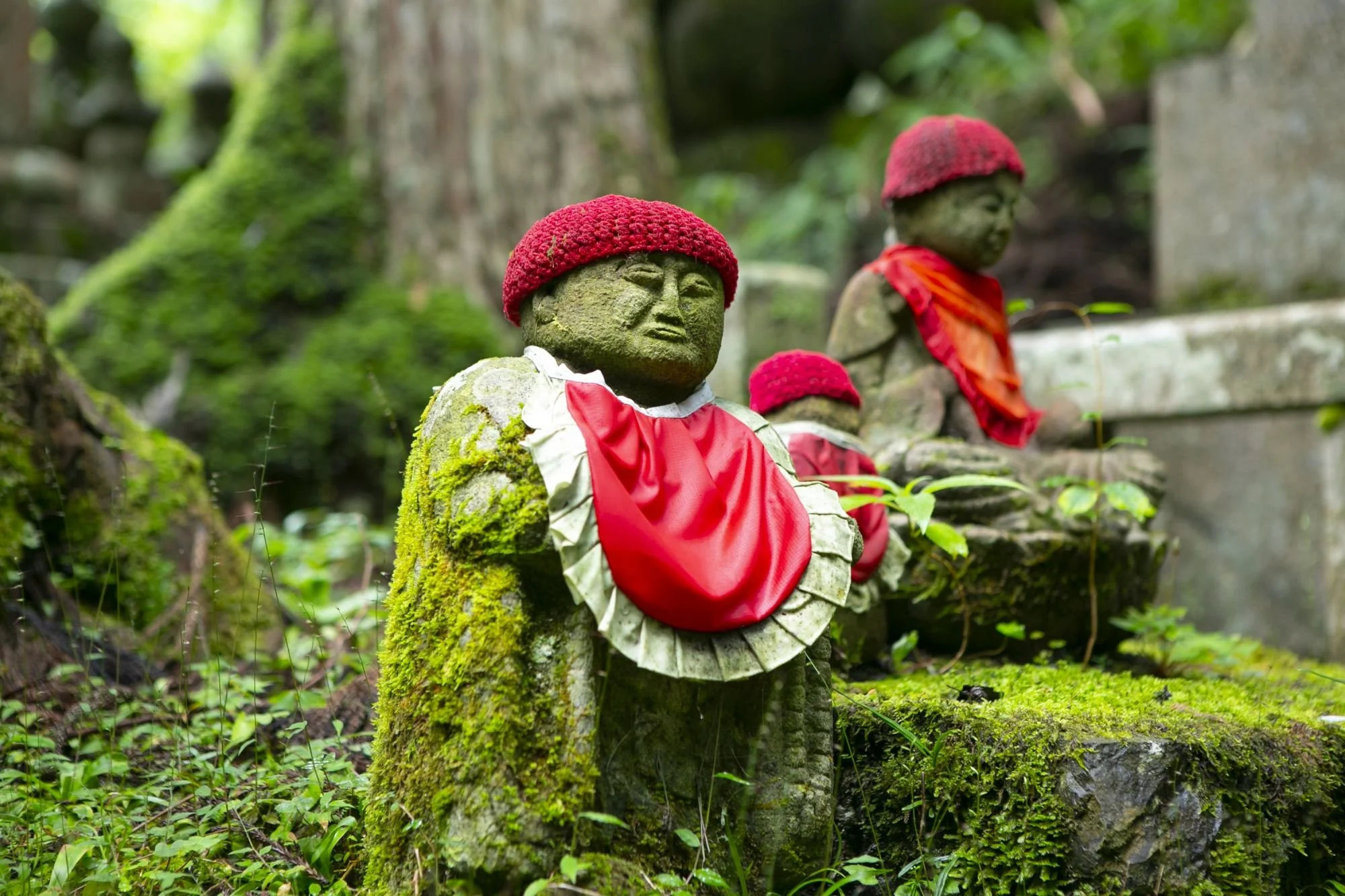
Photo credit: Kumano Adventures
I should also say something about what the Japanese countryside actually is, because the English word "countryside" does it a disservice. It suggests fields and more fields, a pleasant emptiness you drive through on the way to somewhere else. Japan's inaka is dense with things. Hot springs that have been running since before Kyoto was the capital. Festivals that empty a whole village into the street. Shrines tucked into cedar groves. Fishing ports where the tuna comes off the boat at dawn. And the food — you might be surprised to discover some of the best cooking in this country happens in towns you have never heard of, in incredibly innovative kitchens, using the finest local, in-season ingredients.
That, too, is inaka: a place to be replenished. Kumano has simply been doing it for a thousand years, for anyone who shows up.
Which is why I have partnered with Kumano Adventures on a tour called Patron of the Arts.
You Can Be A Patron of the Arts
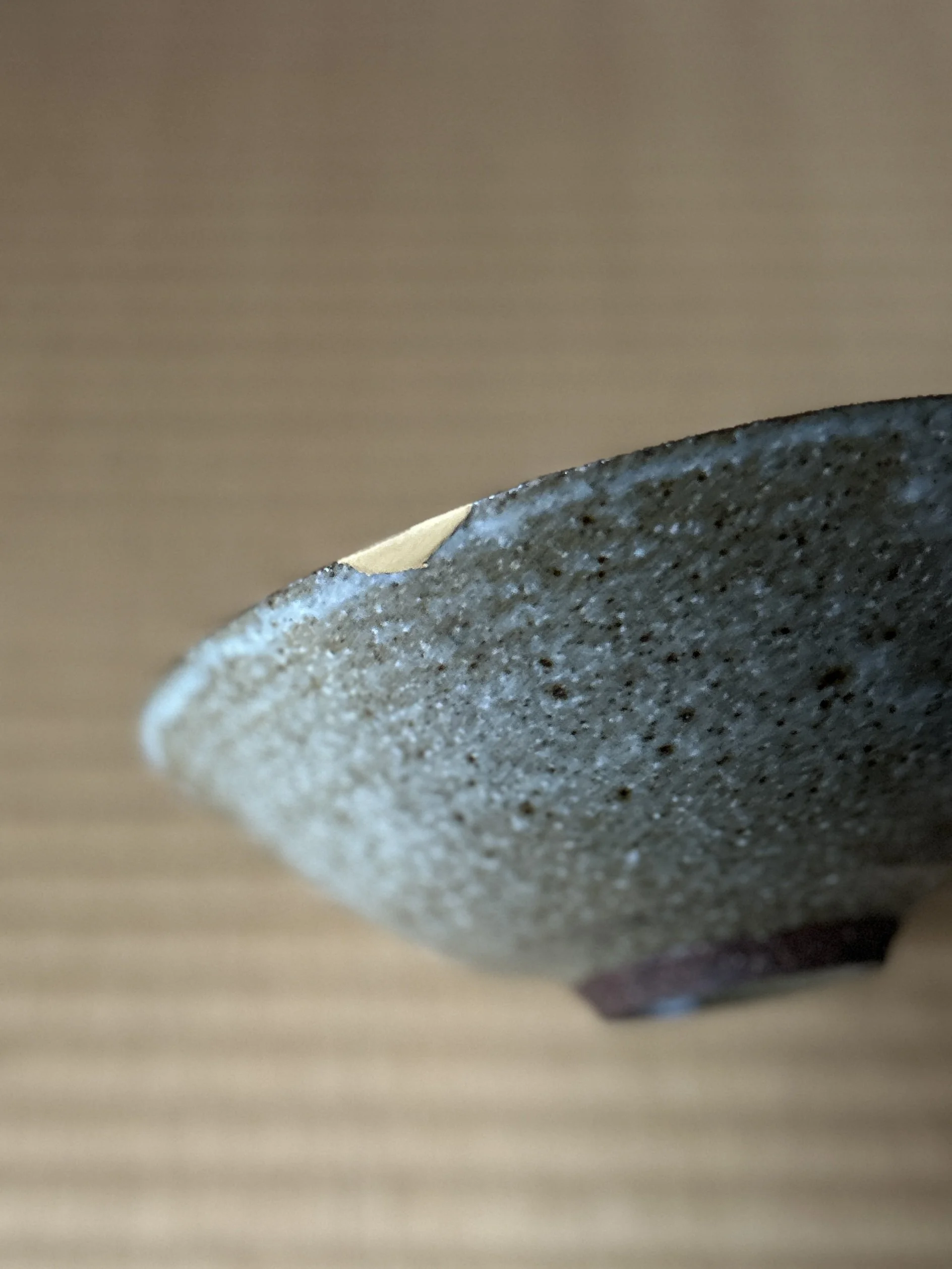
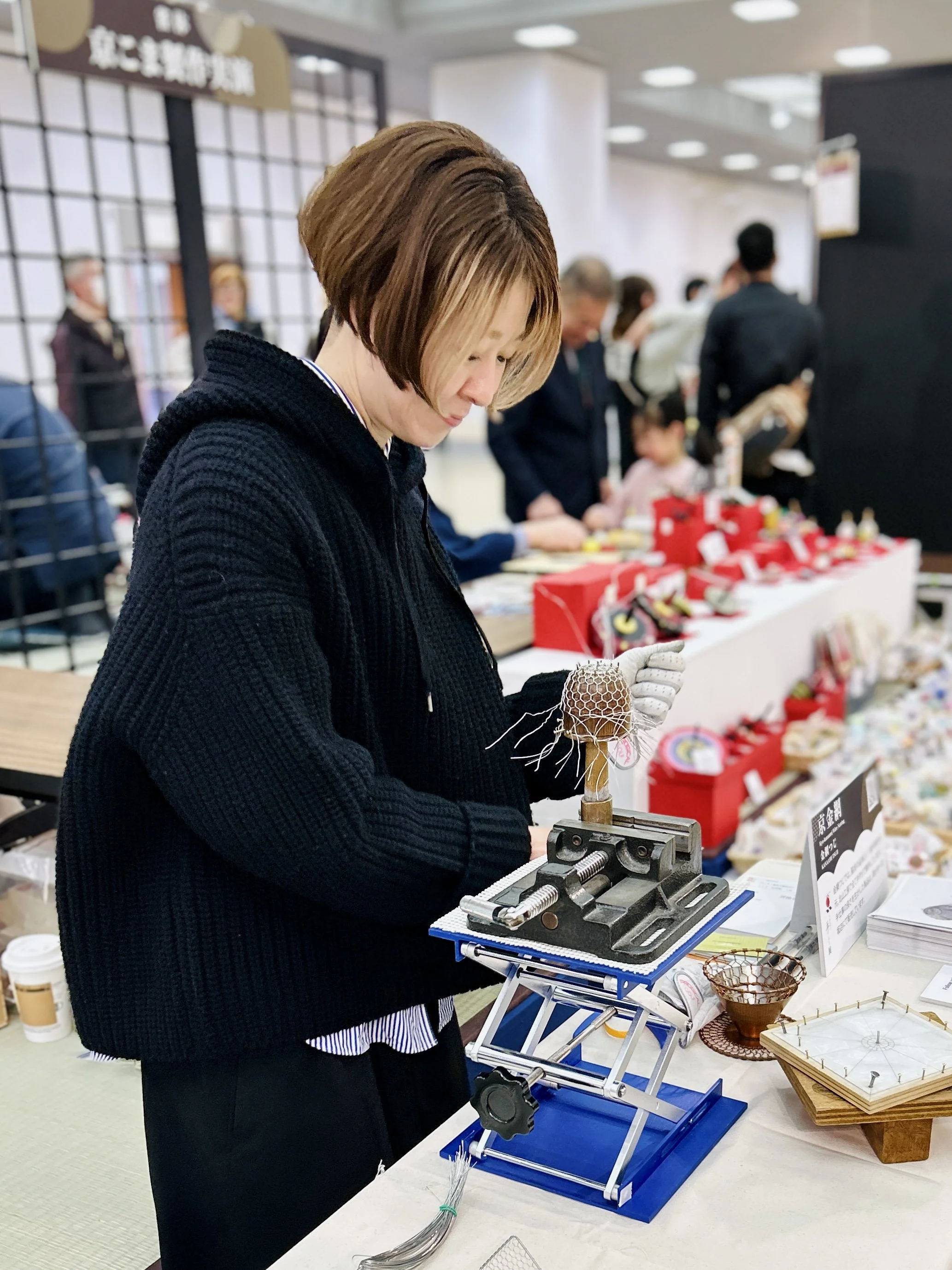
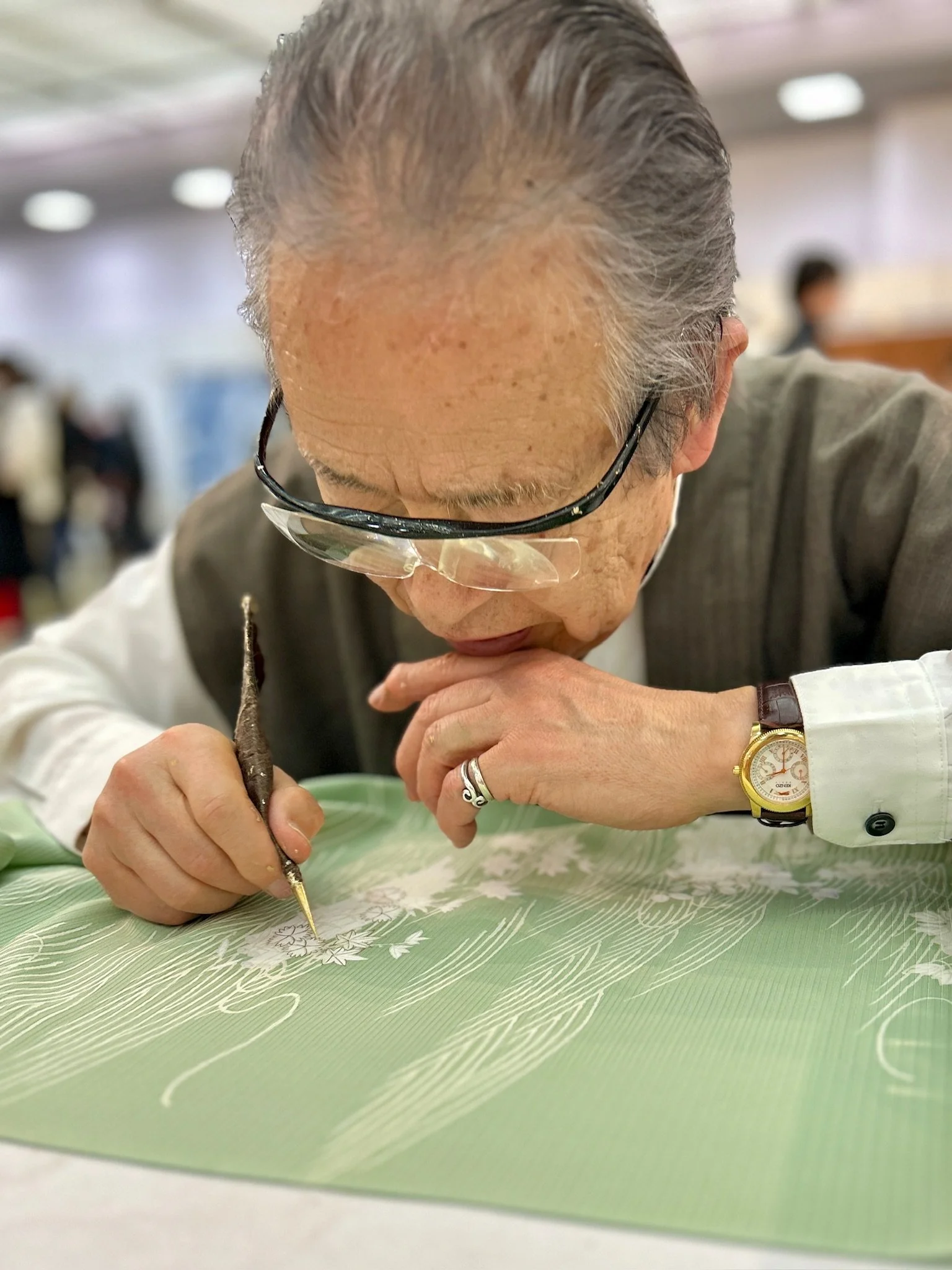
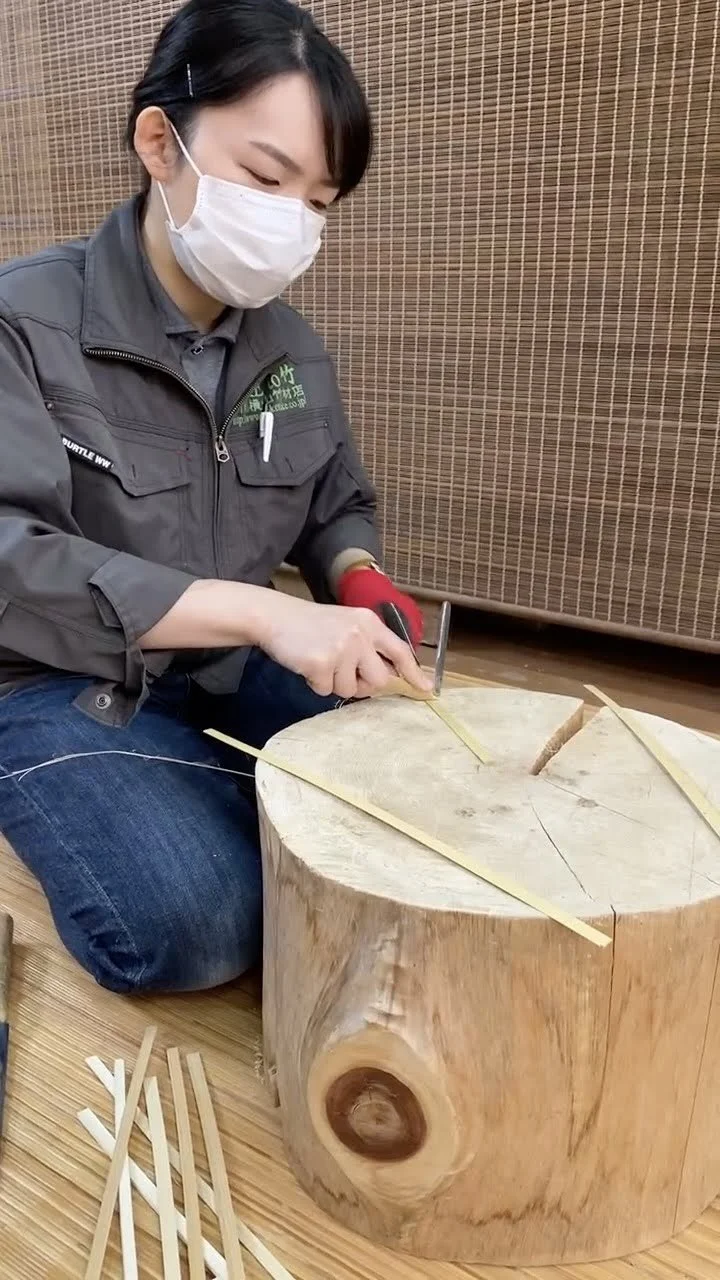
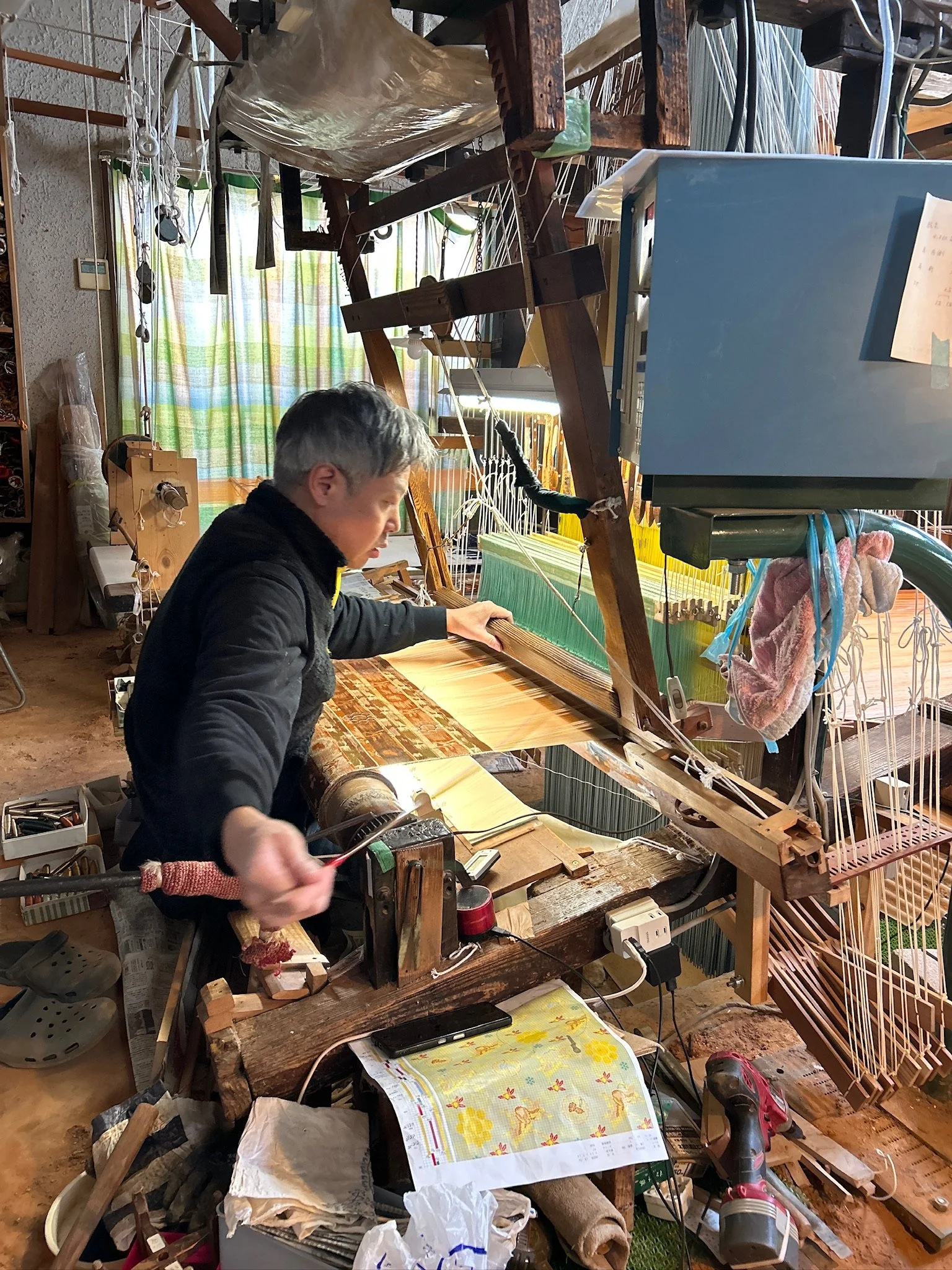
We built it around the people who make things. In Kyoto, that means the studios you would walk past without knowing they were there — a kintsugi workshop where a single chipped bowl takes a month to mend, a family weaving obi on the same premises they have used for generations, a braider descended from Sen no Rikyū himself. Then we leave the city. In Ise a family-run shop with two hundred years behind it will dress us in kimono before we walk to the Grand Shrine of Ise Jingu. Further south in Kumano we visit a swordsmith in his mountain workshop, and a craftsman who dyes cloth with fermented unripe persimmons, a material that colors and strengthens and waterproofs all at once. Country solutions, worked out long ago, still in use because they work.
Many of these crafts are held up now by a handful of people. That is the honest situation. A patron, in the old sense, was someone who kept a thing alive by paying attention to it, and I have come to think travelers can do a version of that.
We go June 4 to 11, 2027, eight of us. And I will admit something here: I have never been to Kumano. I have spent my life without an inaka of my own, envying people who had one to return to. Next June I am going to walk into a place that has spent a thousand years telling strangers they are welcome, and I intend to find out what that feels like.
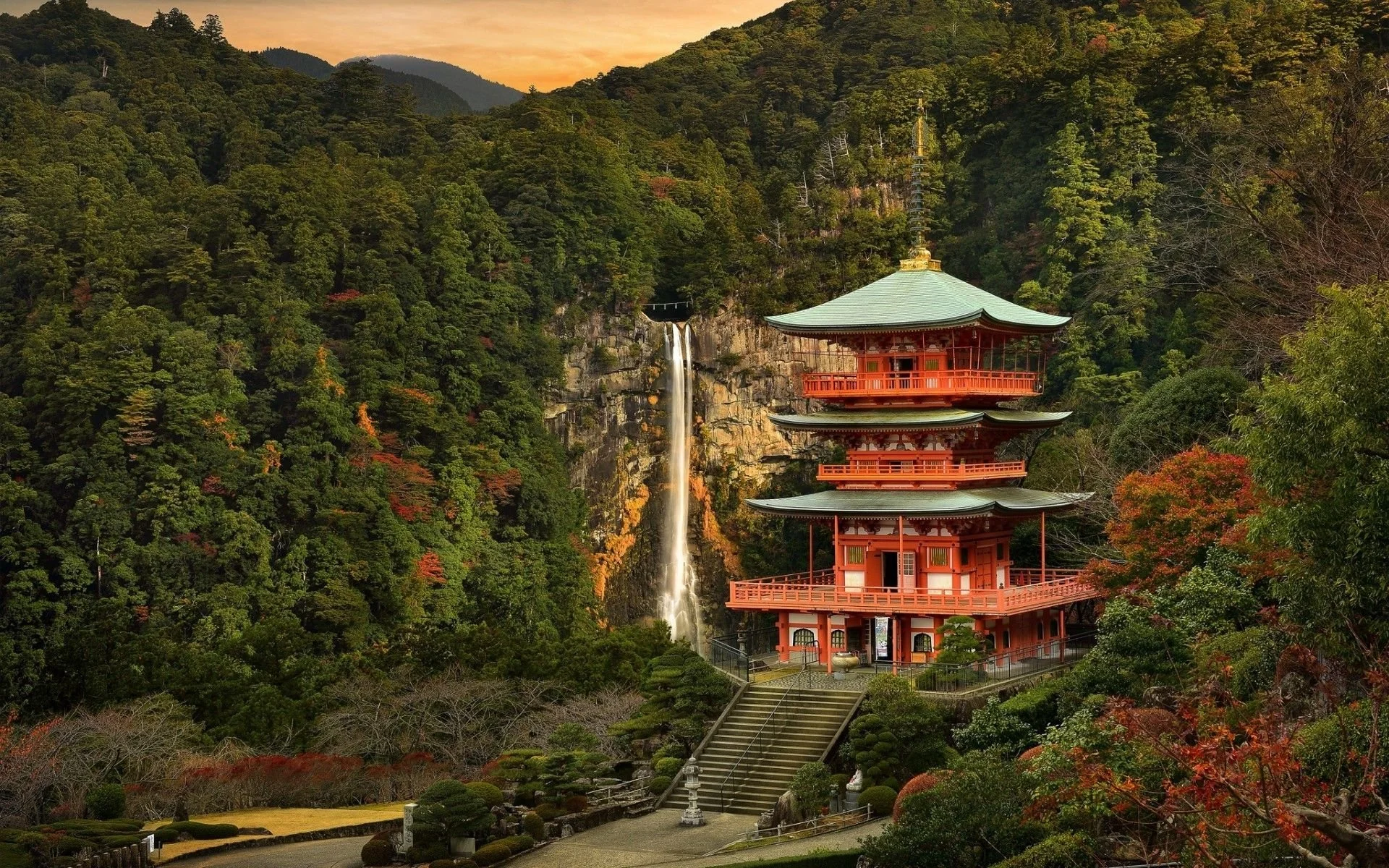
Photo credit: Kumano Adventures
